Forget Folding: The Samsung Galaxy Z Roll 5G is the Next Mobile Revolution
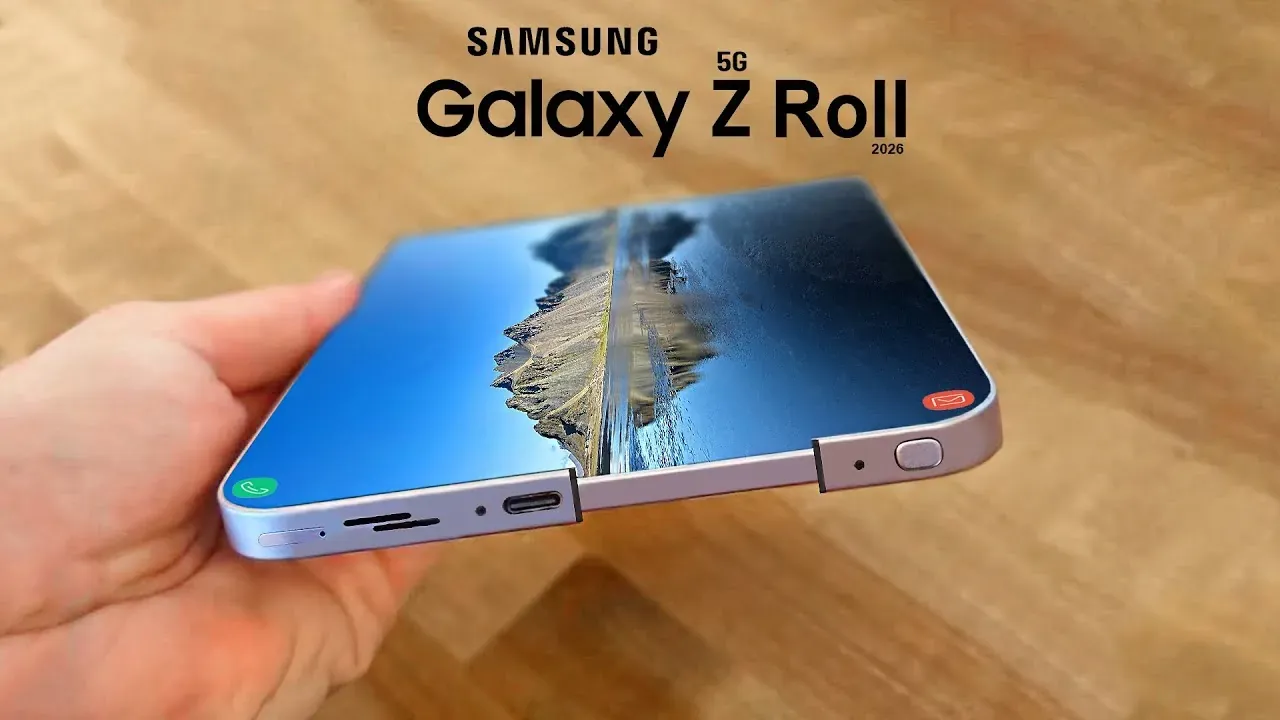
The smartphone industry is once again on the brink of transformation, and this time, it’s not about folding — it’s about rolling. The rumored Samsung Galaxy Z Roll 5G could be the next big step in mobile innovation, signaling a dramatic shift from foldable screens to rollable displays.
With tech enthusiasts buzzing over early leaks and concept videos (like the one shared by Miror Pro), Samsung’s rollable smartphone promises to merge futuristic design with cutting-edge engineering. But will this new form factor truly redefine mobile technology — or remain an ambitious experiment?
From Foldable to Rollable: A New Chapter in Smartphone Design
Samsung pioneered foldable phone technology with its Galaxy Z Fold and Z Flip series, setting new standards for innovation and flexibility. But even as those devices matured, one challenge persisted — the crease. No matter how refined the hinge or screen material became, the center crease reminded users that the future wasn’t entirely smooth.
That’s where rollable displays enter the conversation. Instead of bending the screen at a fixed point, rollable phones use motorized mechanisms to extend and retract the display seamlessly. The result? A crease-free, edge-to-edge experience that adapts dynamically to your needs.
Imagine scrolling through social media in compact mode, then watching a YouTube video or editing a document as the screen expands — all with a smooth, automated motion.
What Makes Rollable Phones Stand Out?
Rollable phones like the Galaxy Z Roll 5G represent a leap forward in both form and function. Their defining features set them apart from traditional and foldable smartphones alike:
1. Automated Screen Extension
The Z Roll 5G could feature motorized components that extend the display automatically. No need to unfold or snap it open — a single gesture or command might trigger the phone to expand. This design promises a fluid user experience and a more futuristic interaction model.
2. Crease-Free Display
One of the biggest selling points of rollable technology is the absence of visible creases. Flexible OLED panels can roll instead of fold, maintaining a perfectly smooth surface. This ensures a better experience for gaming, movie streaming, or multitasking.
3. Simplified and Streamlined Design
Unlike foldables, which often require secondary outer screens for quick tasks, rollable phones may integrate interactive back panels or side touch controls. This could reduce hardware complexity while maintaining utility and aesthetics.
4. Adaptive User Interfaces
A rollable screen isn’t just about size — it’s about smart adaptation. UI elements could automatically adjust based on how much of the screen is extended. For instance, your keyboard or camera app could expand in real-time for better control and visibility.
Challenges Facing Rollable Smartphone Technology
While the technology is awe-inspiring, it’s also incredibly complex. To move from concept to commercial product, manufacturers like Samsung must overcome several major hurdles:
1. Durability
The moving parts that power the rollable display are potential weak points. Dust, friction, or repetitive motion could cause mechanical wear over time. Moreover, flexible display materials, while innovative, remain more delicate than glass.
2. Water and Dust Resistance
Foldable phones already struggle to achieve strong IP ratings, and rollables face an even tougher challenge. The gaps required for rolling mechanisms make it difficult to prevent dust or water from seeping in — a major concern for real-world use.
3. Bulk and Weight
To accommodate motors, rollers, and flexible display housing, the phone’s body inevitably becomes thicker and heavier. Balancing these factors without compromising portability is one of Samsung’s biggest design puzzles.
4. Battery Efficiency
Motorized extensions and flexible screens draw extra power. This could impact battery life, especially during intensive tasks. Future rollables will need optimized software and battery management systems to remain practical.
5. High Manufacturing Costs
Advanced display materials and complex mechanics don’t come cheap. As a result, rollable smartphones may debut at premium price points, making them less accessible to the average consumer until production scales up.
What Lies Ahead for Rollable Smartphones?
The Samsung Galaxy Z Roll 5G isn’t just a phone — it’s a vision of where mobile design might go next. If successful, it could inspire a new wave of devices that balance style, power, and adaptability in ways we’ve never seen before.
But the journey won’t be easy. To win over consumers, manufacturers must prove that rollable phones can be durable, affordable, and reliable for daily use. Until then, foldables remain the dominant flexible form factor, offering a blend of innovation and proven practicality.
Still, the excitement around rollables is undeniable. If companies like Samsung, LG, and Oppo continue to refine the technology, the next decade of smartphones could be rolling out — literally.
Final Thoughts: A Glimpse of the Future
The Galaxy Z Roll 5G represents more than just a gadget — it symbolizes the future of interaction between humans and technology. As rollable displays evolve, they could influence not just phones, but also laptops, wearables, and even TVs.
While we’re still in the early stages, one thing is certain: the boundaries between screen size, portability, and creativity are blurring. The future smartphone might not fold — it might roll into your pocket.