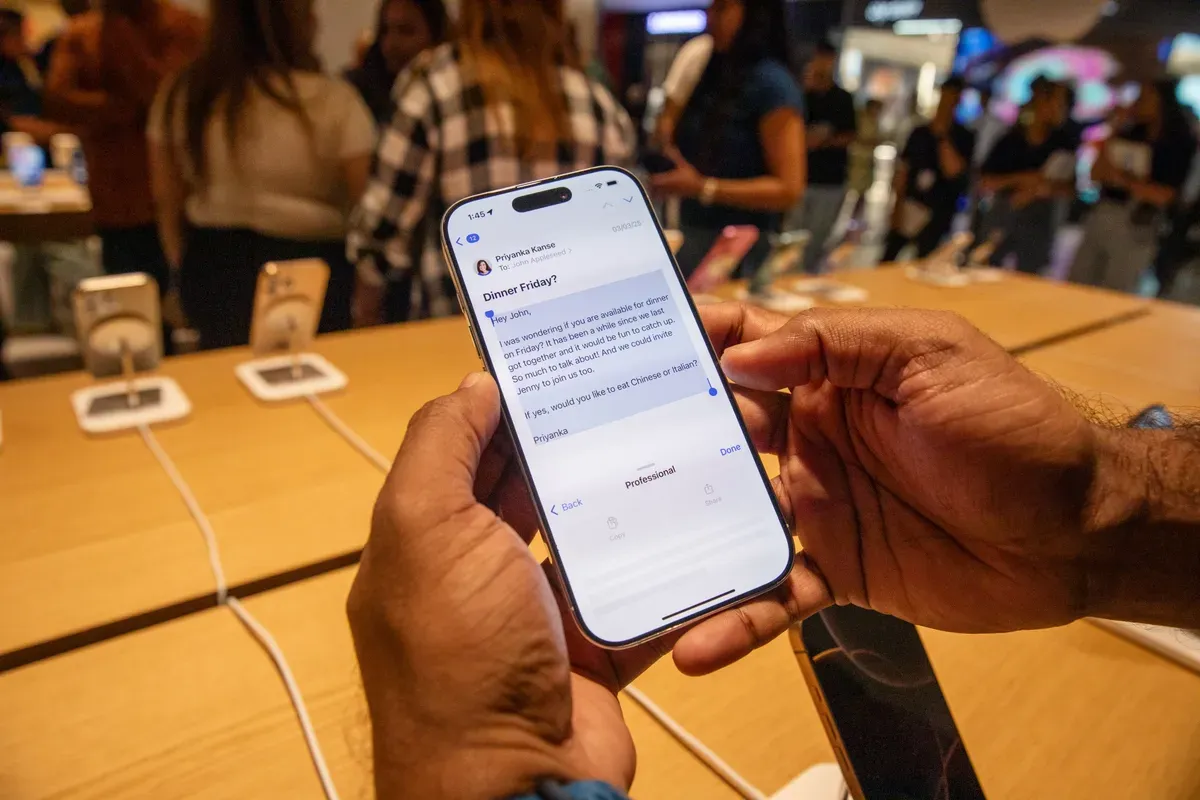
Apple to Pay Google $1B Yearly for Siri’s AI Upgrade
In a move that could reshape the future of AI-powered assistants, Apple Inc. is preparing to integrate a 1.2 trillion-parameter artificial intelligence model developed by Google’s DeepMind division into the upcoming overhaul of Siri.
According to insiders familiar with the matter, the partnership — still being finalized — could see Apple paying roughly $1 billion annually for access to Google’s Gemini technology. This deal represents one of Apple’s boldest steps yet toward reclaiming leadership in artificial intelligence.
A Trillion-Parameter Leap: Siri’s Biggest Upgrade Yet
Apple has spent years promising a smarter, more capable Siri. Now, it seems that promise is about to become reality — powered by one of the most advanced AI models ever created.
The Gemini-based system, boasting 1.2 trillion parameters, dwarfs Apple’s current 150 billion-parameter AI model used in cloud-based Apple Intelligence features. This massive leap in complexity means the new Siri will be far better at understanding context, handling complex queries, and planning multi-step actions — all while maintaining Apple’s signature privacy standards.
Internally, Apple calls this initiative “Project Glenwood”, while the new Siri itself carries the code name “Linwood”. The project is being led by Mike Rockwell, the visionary behind the Vision Pro headset, alongside Craig Federighi, Apple’s senior vice president of software engineering.
Apple Turns to Google After Testing OpenAI and Anthropic
Apple didn’t arrive at this partnership overnight. Before settling on Google, the company reportedly tested AI models from OpenAI (ChatGPT) and Anthropic (Claude).
While all three showed potential, Apple found Google’s Gemini to be the most scalable and powerful option for rebuilding Siri’s foundation — especially in handling complex summarization, planning, and conversational intelligence.
Interestingly, this partnership is viewed as a temporary measure. Apple plans to eventually replace Gemini with its own in-house 1 trillion-parameter model, currently under development. But until that system reaches production level, Gemini will power much of Siri’s intelligence — particularly in summarization and decision-making features.
How the Deal Works: Privacy First, Gemini Behind the Scenes
Unlike Google’s public chatbot integrations, this collaboration won’t make Gemini a visible part of Siri. Apple will keep Google behind the curtain, treating it purely as a technology supplier rather than a co-branded feature.
To safeguard user privacy, the model will run entirely on Apple’s Private Cloud Compute servers, meaning Google will have no access to user data or queries. Apple’s engineers have reportedly allocated significant AI server hardware to support this hybrid system.
This makes the arrangement very different from the Safari-Google search deal, which openly positions Google as Apple’s default search partner. Here, Google’s role will remain invisible to the end user — a silent powerhouse behind Siri’s newfound intelligence.
Market Reaction and AI Industry Implications
The news sparked immediate movement on Wall Street. On Wednesday, Apple’s stock climbed to $271.70, while Alphabet shares jumped over 3% to $286.42, reflecting investor optimism about the collaboration.
Beyond financial headlines, this move signals something deeper: Apple is acknowledging that it has fallen behind in AI innovation. While competitors like Samsung already use Gemini for their AI features, Apple’s decision to rely on Google is both a strategic shortcut and a statement of intent — to catch up fast.
Looking Ahead: Siri’s Rebirth and Apple’s AI Future
The revamped Siri is expected to debut in spring 2026, alongside iOS 26.4. The launch will mark one of Apple’s most ambitious software upgrades ever — a true test of how far AI can push the limits of personalization and voice control on iPhone, iPad, and Mac.
However, Apple’s long-term strategy remains focused on independence. The company continues to invest heavily in its own next-generation AI models, even as it loses key AI talent to rivals like Meta.
Apple executives believe that within a year, their in-house systems will match Gemini’s capabilities — but given Google’s relentless pace of improvement, catching up won’t be easy.
The Global Challenge: China and Beyond
Apple’s push for AI expansion into China presents unique challenges. Due to Google’s long-standing ban in the country, the Chinese version of Siri’s overhaul won’t rely on Gemini.
Instead, Apple plans to use in-house models combined with a content-filtering layer from Alibaba Group, designed to comply with local regulations. The company has also explored potential collaborations with Baidu for localized AI infrastructure.
Final Thoughts: A Historic Alliance in AI
The Apple-Google partnership is a paradox — two tech giants and fierce rivals joining forces to redefine the boundaries of AI-powered interaction.
For users, the implications are monumental: a smarter, more contextual Siri capable of understanding, summarizing, and executing complex requests like never before. For Apple, this is a chance to rebuild its AI credibility — even if it means leaning on its biggest competitor.