12th Grade Entrance Exam in Ethiopia
E01:- The 12th Grade Entrance Exam in Ethiopia, officially called the Secondary School Leaving Examination (SSLE), is one of the most significant academic milestones for Ethiopian students. Organized by the Ethiopian…
E01:- The 12th Grade Entrance Exam in Ethiopia, officially called the Secondary School Leaving Examination (SSLE), is one of the most significant academic milestones for Ethiopian students. Organized by the Ethiopian Education and Assessment Services (EAES), this nationwide exam marks the completion of secondary education and determines eligibility for higher learning institutions.
For decades, the exam has been the gateway to university education. Because of Ethiopia’s highly competitive education system, performance in this exam directly impacts students’ academic and career paths. As a result, it is often regarded as one of the most stressful yet defining moments for students, families, and schools.
Structure of the Examination
The SSLE is taken at the end of the two-year preparatory program (Grades 11 and 12). Students choose one of two streams, based on academic interests and future career goals:
-
Natural Sciences Stream – Subjects include Mathematics, Biology, Chemistry, and Physics, alongside compulsory courses such as English.
-
Social Sciences Stream – Subjects include History, Geography, Economics, and Business, with compulsory English and Mathematics.
Each subject is graded on a 0–100 scale, with 50 often set as the minimum passing score. Students who achieve higher marks secure placement in Ethiopia’s public universities, while others may pursue private colleges, vocational schools, or alternative career paths.
Importance of the Exam
The 12th Grade Entrance Exam serves several crucial purposes:
-
University Admission – The most important function of the exam is determining who qualifies for higher education. Top performers are placed in public universities, while others may join private institutions or training programs.
-
National Benchmark – Results provide a standardized measure for evaluating school and regional performance, offering insights for policymakers and educators.
-
Career Pathway – University courses are assigned based on exam scores, shaping students’ professional futures from the very start.
Because of these implications, students often begin preparing long before Grade 12, balancing classroom lessons with extra study and tutoring.
Checking Exam Results
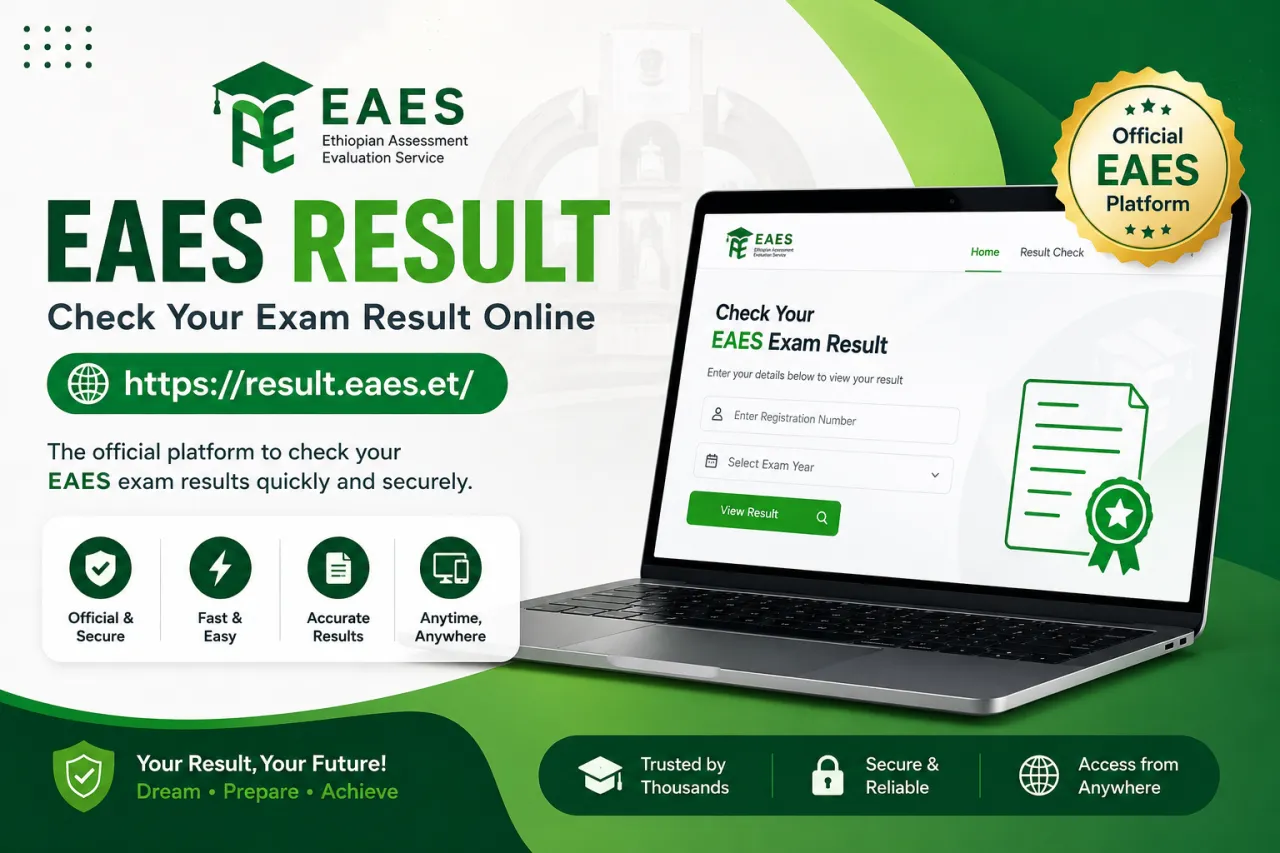
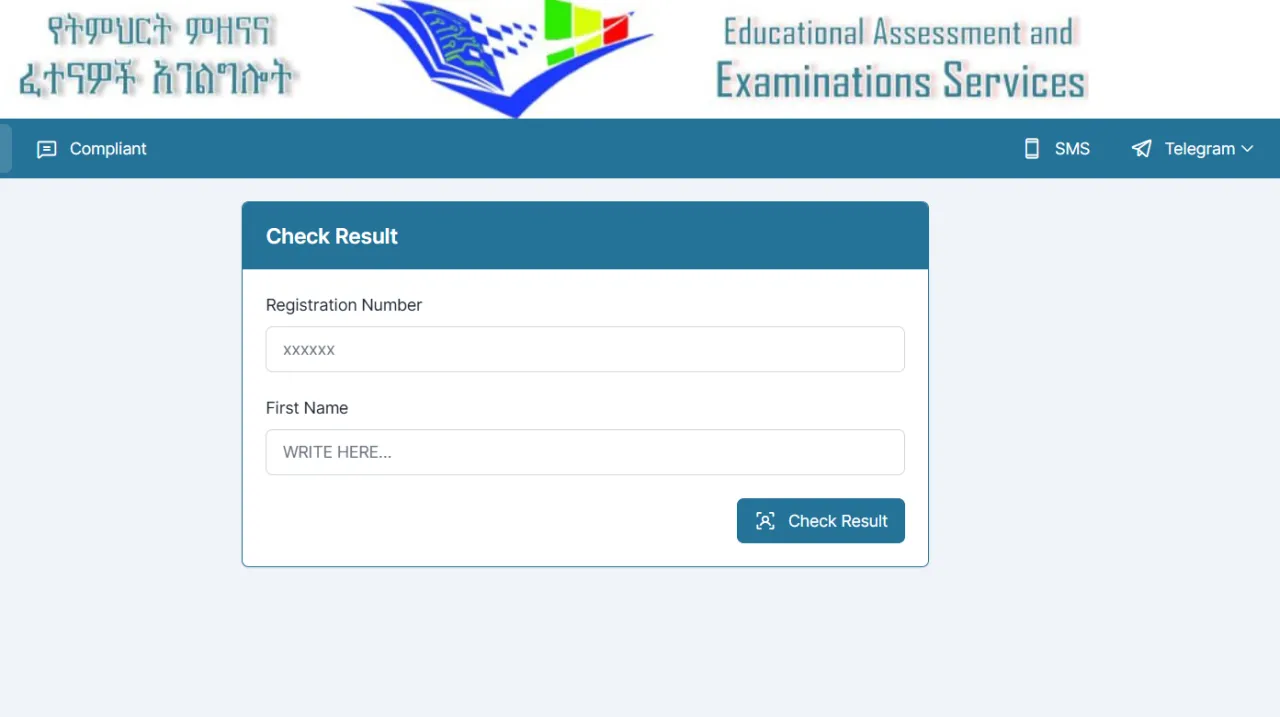
After grading is completed, the EAES publishes results through its official online portal. Students can access their scores using their registration number and, in some cases, their first name. To improve accessibility, results are also made available via SMS services and through regional education offices.
This system ensures that even students in rural areas without strong internet access can retrieve their results. Typically, results are released a few weeks to months after the exam, creating a period of anticipation and anxiety for students and their families.
Challenges and Reforms
Over the years, the exam has faced several challenges:
-
Cheating and Leaks – Instances of exam papers being leaked online have forced cancellations and rescheduling in the past.
-
Student Pressure – With the exam seen as a “make-or-break” moment, many students experience stress, anxiety, and burnout.
-
Digital Divide – While results are posted online, students without reliable internet connections sometimes struggle to access them quickly.
To combat these issues, the Ministry of Education and EAES have introduced reforms, including digital exam systems, stricter security protocols, and improved exam centers across the country.
Looking Ahead
The 12th Grade Entrance Exam in Ethiopia is more than an assessment—it is a life-changing event that influences opportunities for hundreds of thousands of students each year. Beyond university admission, it also reflects the overall quality and equity of Ethiopia’s education system.
With continued reforms focused on transparency, security, and digital accessibility, the exam process is gradually improving. For students, success depends not only on exam performance but also on consistent preparation, effective study habits, and resilience. Ultimately, while scores matter, the journey of education itself—knowledge, skills, and personal growth—remains just as valuable.