New Android Hack Steals Data from Secure Apps
A new security threat is shaking up the Android world. Researchers have uncovered a critical vulnerability called “Pixnapping” — a powerful exploit capable of stealing sensitive data from apps that are supposed to be among the most secure, including Google Authenticator, Signal, and more.
🧠 What Is Pixnapping?
“Pixnapping” is the name given to a new attack technique discovered by a group of seven security researchers. It manipulates the Android Intent system — the same system that lets apps talk to each other — to trick the device into revealing visual data (pixels) from sensitive apps.
By combining this with a side-channel attack method similar to the GPU.zip vulnerability, Pixnapping can extract what’s displayed on your screen — even two-factor authentication (2FA) codes or private messages — without you ever knowing.
In short, malicious apps can “peek” into secure screens through transparent overlays invisible to users.
📱 Devices Affected
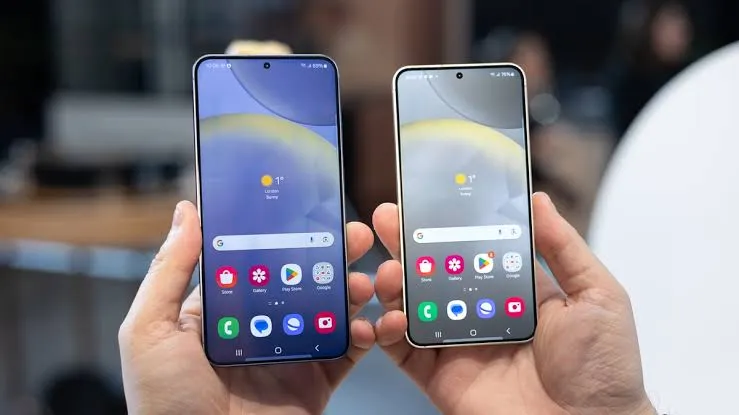
The research team successfully triggered the vulnerability on several popular models, including:
- Google Pixel 9
- Google Pixel 8
- Google Pixel 7
- Samsung Galaxy S25
This suggests that the issue is not isolated to one brand but affects Android systems more broadly.
🧩 How It Works (Simplified)
- A malicious app requests rendering data through Android’s Intent system.
- That data is overlaid invisibly on your screen using transparent layers.
- The app then reads the pixels (colors, shapes, etc.) displayed by another app.
- Using GPU-based side channels, it reconstructs sensitive info — like verification codes or private content.
It’s a chillingly smart technique that exploits the way Android handles app rendering and GPU access.
🛡️ Google’s Response
Google was notified in February 2025 and took the threat seriously.
A partial fix was rolled out in the September 2025 security update as part of Android 16’s patch, covering the most critical parts of the vulnerability.
However, researchers have confirmed that a workaround still exists — one that can retrigger the exploit (CVE-2025-48561) despite the current fix. Google is aware of this and plans to release a full patch in the upcoming December 2025 security update.
The good news?
Google says there have been no known in-the-wild attacks yet — meaning no real-world exploitation has been detected so far.
⚠️ What You Should Do
While waiting for Google’s final patch, here are some smart safety steps:
✅ Update your phone immediately — make sure you’re on the September 2025 security patch or later.
✅ Avoid sideloading apps (don’t install APKs from untrusted sources).
✅ Revoke screen overlay permissions for apps that don’t need them.
✅ Monitor app permissions under Settings → Apps → Special access → Draw over other apps.
✅ Use trusted security tools to detect suspicious background processes.
🔮 What’s Next
The Pixnapping discovery highlights a growing challenge for Android security:
as devices become more powerful and interconnected, even hardware-level components like GPUs can become attack surfaces.
The researchers behind Pixnapping have praised Google’s quick response but emphasized that deeper system-level changes are needed to fully close these kinds of visual side-channel loopholes.
🧭 Final Thoughts
The Pixnapping case serves as a stark reminder that no app is 100% secure if the underlying system has vulnerabilities.
Google’s ongoing updates show its commitment to patching Android’s defenses — but for now, staying updated and cautious remains your best protection.
Source: The Register | Pixnapping Research Team | 9to5Google